Tracing the Lifecycle of Prize Pools: From Corporate Budget Allocation to Winner Distribution Logistics in Worldwide Contests
Written by Wendy Long · Jun 27, 2026
Tracing the Lifecycle of Prize Pools: From Corporate Budget Allocation to Winner Distribution Logistics in Worldwide Contests
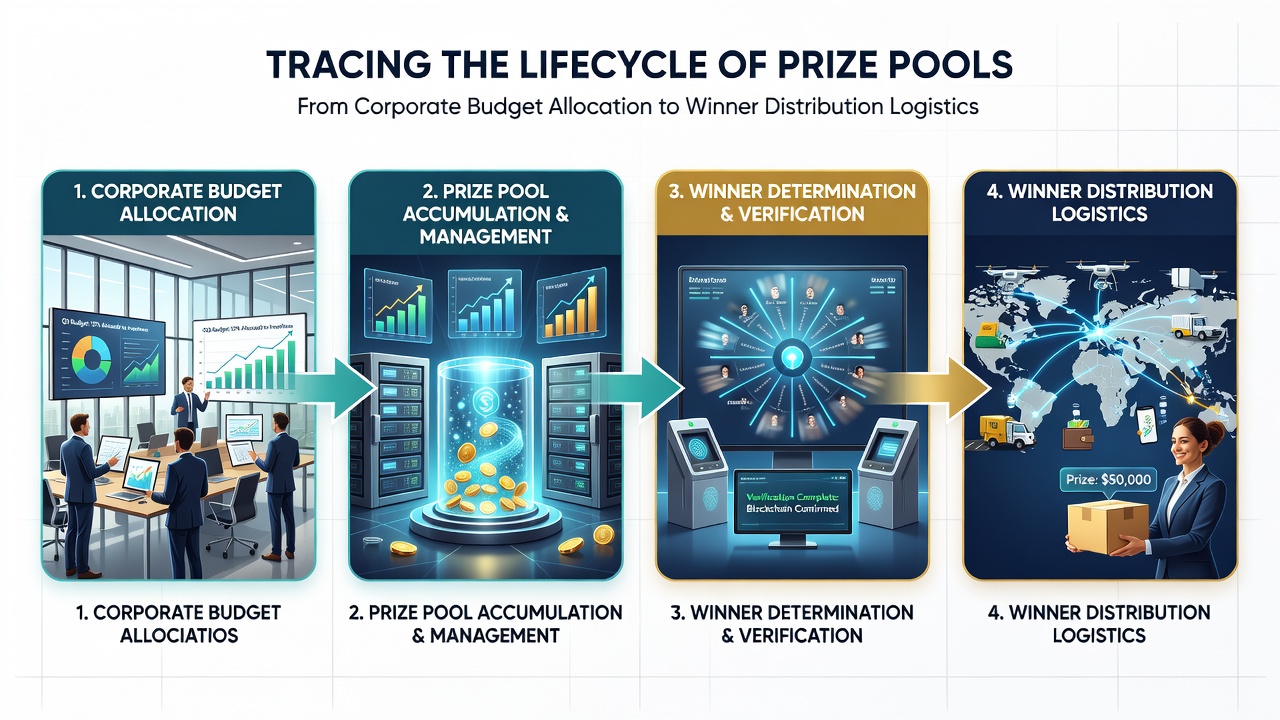
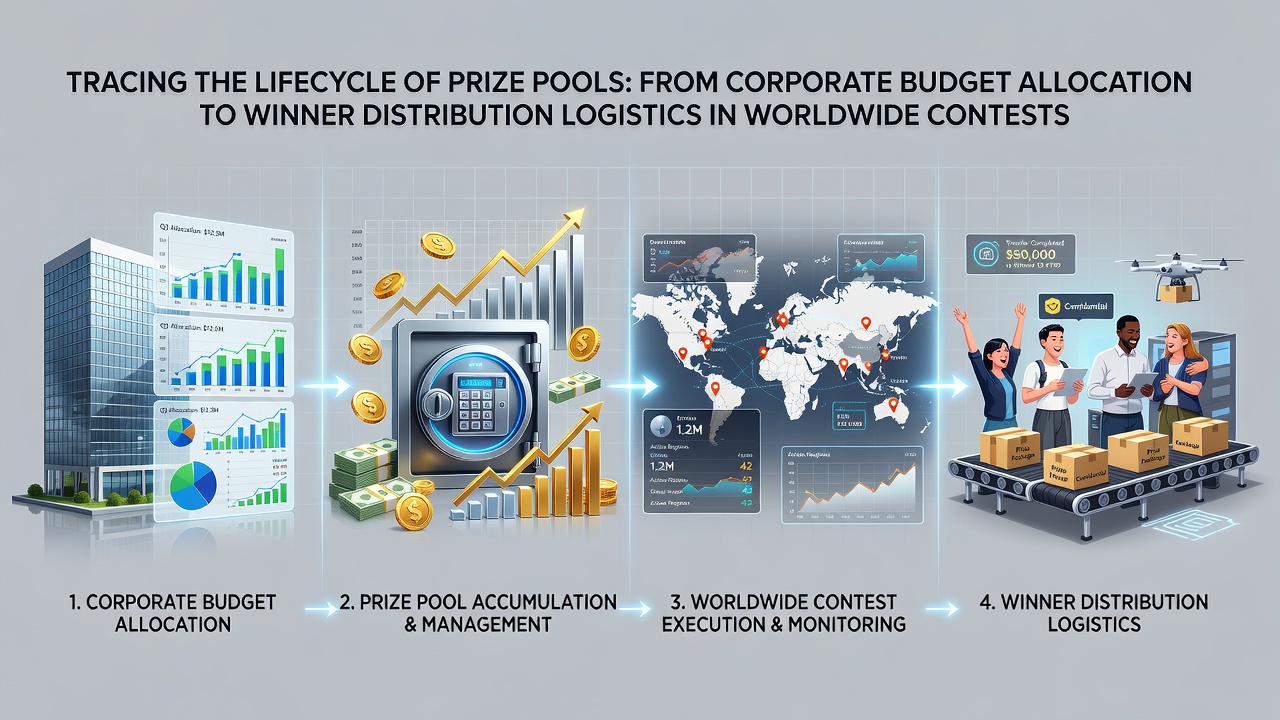
Corporate entities establish prize pools through structured budget processes that draw from marketing, promotional, and customer engagement funds. Finance teams allocate resources based on projected campaign reach, historical participation rates, and competitive benchmarks within specific product categories. Data from industry reports shows these decisions often tie into quarterly planning cycles, where initial figures get adjusted according to revenue forecasts and regulatory requirements across operating regions. Budget allocation begins with cross-departmental reviews that incorporate input from legal, compliance, and marketing divisions. Companies calculate total pool values by factoring in projected entry volumes, average prize tiers, and contingency reserves for taxes or unclaimed awards. According to the Federal Trade Commission guidelines on promotions, accurate disclosure of prize values forms a core requirement that influences how corporations structure these financial commitments from the outset.Regulatory Frameworks Shaping Fund Structures
Different jurisdictions impose distinct rules on contest funding and transparency. In the United States, federal and state laws require clear separation between prize money and operational costs, while Canadian regulations under the Competition Bureau emphasize that prize pools must reflect genuine availability without hidden deductions. European Commission directives further mandate consumer protection measures that affect how multinational firms consolidate funds for cross-border events. These frameworks drive corporations to establish dedicated escrow accounts or third-party administrators in many cases. Such arrangements protect participant interests and simplify audit trails during distribution phases. Observers note that compliance documentation often runs parallel to budget approvals, creating layered approval workflows that extend planning timelines by several weeks.Administration and Pool Management Practices
Once allocated, prize pools move into active management phases handled by specialized promotion agencies or internal operations teams. These groups track fund performance against participation metrics, adjusting secondary prize tiers when entry numbers exceed or fall short of projections. Software platforms integrate real-time data feeds that monitor currency fluctuations for international contests, since prize values require conversion across multiple markets. Insurance products frequently cover pool shortfalls arising from unexpected participation spikes or winner claims. Industry associations document how these policies integrate with overall risk management strategies, particularly for contests spanning multiple continents where variables like exchange rates and local tax obligations introduce additional complexity.